Operational Analytics Overview: 3404954213, 3407356578, 3412024434, 3420237434, 3428951078, 3452194732

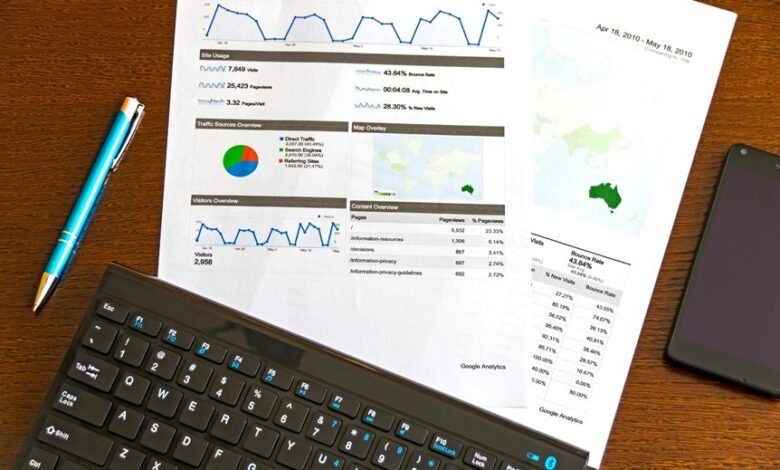
Operational analytics serves as a crucial tool for organizations aiming to enhance their decision-making processes. By employing data visualization and predictive modeling, businesses can transform raw data into significant insights. This structured approach enables stakeholders to identify trends and optimize operations effectively. However, the true impact of operational analytics becomes evident through practical applications. The following exploration reveals compelling case studies that illustrate the transformative potential of operational analytics in various industries.
Understanding Operational Analytics
Operational analytics serves as a critical component in the decision-making processes of organizations, enabling them to harness data for improved efficiency and effectiveness.
By employing data visualization techniques, organizations can transform complex data sets into comprehensible formats, facilitating the interpretation of performance metrics.
This analytical approach empowers stakeholders to identify trends, optimize operations, and ultimately enhance strategic initiatives for greater organizational freedom and adaptability.
Methodologies and Techniques
While organizations increasingly rely on data to drive decision-making, the methodologies and techniques employed in operational analytics are essential for translating raw information into actionable insights.
Key approaches include data visualization techniques, which enhance comprehension and communication of complex data, and predictive modeling methods, which forecast future trends.
Together, these methodologies facilitate informed strategic decisions and empower organizations seeking operational excellence and adaptability.
Case Studies and Real-World Applications
Numerous organizations across various industries have successfully implemented operational analytics to enhance their performance and decision-making processes.
For instance, manufacturers utilize real-time monitoring systems to optimize production efficiency, while utility companies employ predictive maintenance strategies to minimize equipment failures.
These case studies illustrate how operational analytics can drive significant improvements, fostering a culture of data-driven insights that empower organizations to adapt and thrive in dynamic environments.
Conclusion
In a world where organizations cling to gut feelings and outdated practices, the rise of operational analytics may seem like an inconvenient truth. Yet, as stakeholders stumble through data like lost children in a candy store, the promise of actionable insights stands just beyond their grasp. Perhaps one day, they will realize that embracing data-driven decision-making is not just a trend, but a necessity—unless, of course, they prefer to navigate the complexities of modern business blindfolded.